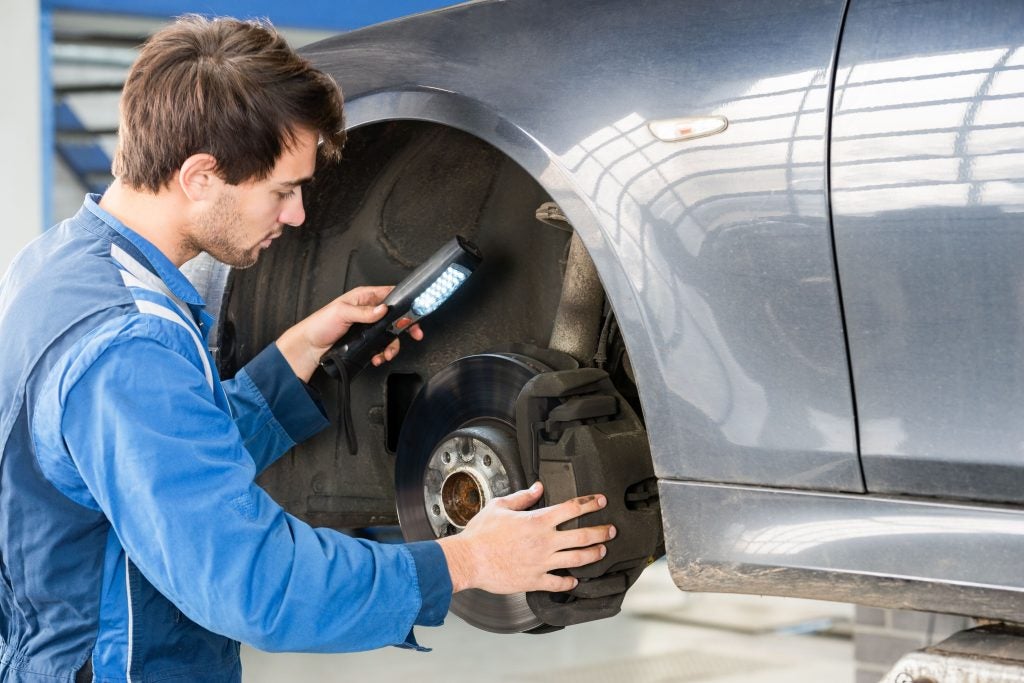


If your Ford steering wheel is shaking at highway speeds, the problem may be related to your tires, wheels, alignment, or steering and suspension components. One of the most common causes is an unbalanced tire and wheel assembly, which can create noticeable vibration around 55 to 70 mph. However, uneven tire wear, bent wheels, damaged tires, and worn suspension parts can produce similar symptoms. Identifying when the shaking occurs is an important first step toward finding the cause.
For drivers around New Bern, Trent Woods, River Bend, and Havelock, steering wheel vibration can become particularly noticeable during highway travel. Whether you're driving a Ford F-150, Explorer, Escape, Bronco, or another Ford model, persistent shaking should not be ignored. Understanding the differences between wheel balancing, wheel alignment, and suspension problems can help you determine when professional service is necessary.
Quick Answer: Why Does My Ford Steering Wheel Shake at 60 MPH?
Steering wheel vibration around 55 to 70 mph often points toward a tire or wheel-related issue, particularly an unbalanced wheel assembly. The shaking may become stronger as vehicle speed increases or appear within a particular speed range.
Other possible causes include bent wheels, uneven tire wear, damaged tires, or worn steering and suspension components. If the vibration happens primarily when pressing the brake pedal, the braking system may need attention instead.
What should you do? Have persistent vibration inspected promptly. If the shaking becomes severe, steering feels unstable, or you suspect tire damage, stop driving when it is safe and arrange professional assistance.
Why Does My Ford Steering Wheel Shake Only at Highway Speeds?
A vehicle's tires and wheels rotate faster as driving speed increases. When a tire or wheel assembly is out of balance, uneven forces develop as it rotates.
At lower speeds, those forces may be too small to notice. As speed increases, they can create vibration that travels through the suspension and steering system.
This explains why a Ford may feel smooth on neighborhood streets but begin shaking during highway driving. Some drivers notice the vibration around 55 mph, while others experience it closer to 65 or 70 mph.
The exact speed varies depending on the vehicle, tires, wheels, and underlying problem. A vibration that appears within a specific speed range is a useful diagnostic clue, but it does not automatically prove that wheel balancing is the solution.
Drivers traveling along U.S. Highway 70 near New Bern or U.S. Highway 17 may notice these symptoms during normal highway travel. Rather than increasing speed to test the vibration, arrange an inspection to determine what's causing it.
Common Causes of Ford Steering Wheel Vibration
Several different tire, wheel, and suspension issues can cause shaking at highway speeds. The symptoms often overlap, which is why a professional inspection is useful before replacing parts.
1. Unbalanced Tires or Wheels
Wheel imbalance is a common cause of steering wheel vibration during highway driving. Even a relatively small imbalance can become noticeable as the wheel rotates faster.
Tire and wheel assemblies may become unbalanced because of uneven tire wear, lost wheel weights, tire replacement, or other changes to the assembly.
Common signs include:
- Steering wheel vibration that becomes noticeable at highway speeds.
- Shaking that occurs within a particular speed range.
- Vibration that changes as vehicle speed changes.
- A shaking sensation in the steering wheel, seat, or floor.
During wheel balancing, a technician uses specialized equipment to identify uneven weight distribution. Balance weights are then positioned to help the assembly rotate more smoothly.
However, balancing will not correct every vibration. A damaged tire, bent wheel, or worn suspension component may require a different repair.
2. Uneven or Irregular Tire Wear
Tires that wear unevenly can also contribute to steering wheel vibration. Irregular tread patterns change how the tire contacts the road.
One example is tire cupping, sometimes called scalloped wear. This occurs when portions of the tread develop unevenly worn areas around the tire.
Tire cupping may be associated with wheel imbalance, worn suspension components, alignment problems, or other conditions.
Drivers may notice:
- Uneven or scalloped tire tread.
- Increased tire noise at certain speeds.
- Steering wheel or vehicle vibration.
- Changes in ride comfort or handling.
Simply rotating the tires may not resolve the underlying cause of uneven wear. The tires and related components should be inspected before deciding which service is appropriate.
3. Bent Wheels or Damaged Tires
Potholes, road debris, curbs, and other impacts can damage tires or wheels. A bent wheel may no longer rotate evenly, potentially creating a vibration that becomes more noticeable at speed.
Tire damage can also cause shaking. In some cases, internal tire damage may be present even when the outside of the tire appears relatively normal.
Warning signs can include:
- Vibration that begins after hitting a pothole or road hazard.
- A visible bend or deformation in a wheel.
- Bulges, bubbles, or unusual swelling on a tire sidewall.
- A tire that repeatedly loses air pressure.
- Sudden changes in steering feel or ride quality.
If you notice a tire bulge, severe damage, or sudden instability, do not continue highway driving. A damaged tire can fail unexpectedly and should be evaluated before the vehicle is driven again.
4. Wheel Alignment Problems
Wheel alignment refers to the angles at which your vehicle's wheels meet the road. These angles affect steering behavior, vehicle tracking, and tire wear.
Alignment can change because of road impacts, worn suspension components, or other mechanical issues.
Common alignment-related symptoms include:
- The vehicle pulls or drifts to one side on a level road.
- The steering wheel appears off-center while traveling straight.
- Tires develop excessive wear along one edge.
- Steering response feels different than normal.
Misalignment may contribute to vibration, especially when it has caused irregular tire wear. However, alignment is not usually the first explanation for a speed-specific steering wheel shake.
If your primary symptom is vibration at 60 mph without pulling or uneven tire wear, wheel balance and tire condition are important starting points for inspection.
5. Worn Steering or Suspension Components
Your Ford's steering and suspension systems help maintain wheel control, ride stability, and consistent tire contact with the road.
Over time, components such as tie rods, ball joints, bushings, and shock absorbers may develop wear.
Depending on the vehicle, worn components can contribute to shaking, unusual noises, imprecise steering, or uneven tire wear.
Some Ford trucks also use steering stabilizer components that can affect steering vibration when worn or damaged.
Suspension-related concerns should not be ignored, especially when vibration is accompanied by steering looseness, clunking noises, or instability.
A technician can inspect the affected components before recommending repairs or performing an alignment.
Wheel Balancing vs. Wheel Alignment: What's the Difference?
Many drivers use the terms wheel balancing and wheel alignment interchangeably, but they are two different services.
Understanding the distinction can help you explain your symptoms when scheduling a service appointment.
| Feature | Wheel Balancing | Wheel Alignment |
|---|---|---|
| What It Corrects | Uneven weight distribution in a tire and wheel assembly. | Wheel angles controlled through suspension and steering adjustments. |
| Common Symptoms | Vibration or shaking, particularly at highway speeds. | Vehicle pulling, off-center steering, or uneven tire wear. |
| How It's Performed | A balancing machine identifies imbalance, and weights are added or adjusted. | A technician measures and adjusts applicable suspension alignment angles. |
| Primary Goal | Help tires and wheels rotate smoothly. | Help wheels track correctly and support even tire wear. |
| Will It Fix Highway Vibration? | May correct vibration caused by imbalance. | May help if misalignment or resulting tire wear contributes to the problem. |
If your steering wheel shakes primarily at highway speeds, a technician may begin by checking tire condition and wheel balance.
If your Ford pulls to one side, has uneven tire wear, or has an off-center steering wheel, an alignment inspection may be especially useful.
Some vehicles have more than one issue, so balancing and alignment may both be appropriate after a complete inspection.
Why Does My Ford Steering Wheel Shake Only When Braking?
If your steering wheel feels smooth during normal highway driving but begins shaking when you press the brake pedal, the cause may be different from ordinary tire imbalance.
Brake rotor thickness variations or uneven friction surfaces can create pulsation as the brakes are applied. This may be felt through the brake pedal, steering wheel, or vehicle.
Other potential causes include brake caliper problems or worn suspension components.
The timing of the vibration is an important diagnostic clue:
- Shaking while cruising: Tire balance, tire condition, and wheel problems are common considerations.
- Shaking mainly when braking: The braking system should be inspected.
- Shaking when accelerating: Drivetrain or other vehicle components may require evaluation.
- Shaking with loose steering: Steering or suspension wear may be involved.
These patterns can help a technician narrow down possible causes, but they are not definitive diagnoses.
If vibration occurs during braking, Cella Ford's Ford Service Department can inspect the braking system and recommend appropriate service.
What If the Steering Wheel Shakes After New Tires Are Installed?
If steering wheel vibration begins shortly after tire replacement, it's worth having the tire and wheel assemblies checked again.
New tires generally require proper balancing when mounted on wheels. If an assembly is not balanced correctly, vibration may become noticeable once the vehicle reaches highway speeds.
Other possible issues include a tire or wheel that is not seated or installed correctly, an existing bent wheel, or a tire-related irregularity.
A technician can check the installation, balance, and tire condition to determine what needs attention.
If shaking begins immediately after wheel or tire service and feels severe, do not continue driving until the installation has been checked.
Why Highway Driving Around New Bern Can Make Tire Problems More Noticeable
Daily driving around Eastern North Carolina can involve a mix of neighborhood roads, highway commuting, and longer regional trips.
Tire and wheel problems may become especially noticeable as drivers transition from lower-speed roads onto faster highways.
Driving on U.S. Highway 70 Near New Bern and Havelock
Drivers commuting between New Bern and Havelock along U.S. Highway 70 may notice steering vibration during sustained highway travel.
A vehicle that feels normal during slower local driving may begin vibrating when rotating tire and wheel forces increase at highway speeds.
Rather than continuing to drive with persistent shaking, have the vehicle inspected before the condition becomes worse.
Traveling Along U.S. Highway 17
U.S. Highway 17 is another important route for drivers traveling through and beyond the New Bern area.
Drivers may notice speed-related vibration during longer stretches of highway travel, especially when steering wheel shaking is associated with an unbalanced wheel assembly.
If the steering feels unstable or the vibration increases substantially, slow down safely and arrange assistance as needed.
Everyday Driving Around Trent Woods and River Bend
For drivers living in Trent Woods or River Bend, everyday trips may involve a combination of local streets and higher-speed roads.
This can make it easier to notice differences in how the vehicle behaves at different speeds.
Ford owners should pay attention to any new vibration, pulling, or changes in steering response, regardless of the type of road.
When Is Steering Wheel Shaking a Serious Problem?
Mild vibration does not always indicate an immediate mechanical emergency. However, persistent shaking means something may need attention, and some causes can affect vehicle safety.
Warning Signs That Require Prompt Attention
Stop driving when it is safe and arrange assistance if you experience:
- Sudden or severe shaking: The steering wheel begins vibrating violently or the vehicle becomes difficult to control.
- Visible tire damage: A tire has a bulge, significant cut, or other signs of structural damage.
- Steering instability: The vehicle wanders, feels unusually loose, or responds unpredictably to steering input.
- Unusual mechanical noises: Loud clunking, grinding, or repeated knocking accompanies the vibration.
- Braking problems: Shaking occurs with reduced stopping ability, abnormal pedal feel, or significant pulling.
- Sudden changes after an impact: Steering or handling changes immediately after hitting a pothole, curb, or road hazard.
A vehicle with severe steering instability or suspected tire failure should not be driven to a service appointment. Arrange roadside assistance or towing instead.
What Should You Do If Your Ford Steering Wheel Starts Shaking?
If you notice a new vibration, avoid trying to diagnose the problem by deliberately accelerating to higher speeds.
Instead, focus on observing the symptoms and having the vehicle inspected.
- Reduce speed safely. If shaking begins during highway driving, avoid sudden steering or braking inputs and move to a safe location if necessary.
- Notice when the vibration occurs. Does it happen during steady cruising, braking, acceleration, or turning?
- Check for obvious tire problems. Once safely parked, look for visible damage or unusually low tire pressure without crawling underneath the vehicle.
- Review tire pressure. If safe and appropriate, check tire pressure against the vehicle's recommended cold inflation values on the door-jamb label or in the owner's manual.
- Schedule a professional inspection. A technician can evaluate tire and wheel condition, wheel balance, alignment, and steering or suspension components.
Do not assume the solution is simply adding air, replacing tires, or scheduling an alignment. The correct service depends on what is actually causing the vibration.
What Happens During a Professional Steering and Tire Inspection?
When a Ford develops steering wheel vibration, a qualified technician can evaluate several systems to determine the underlying cause.
Depending on the symptoms, an inspection may include:
- Tire condition: Checking tread wear, inflation pressure, visible damage, and unusual wear patterns.
- Wheel condition: Looking for bends, damage, and installation concerns.
- Wheel balance: Evaluating whether uneven weight distribution contributes to vibration.
- Wheel alignment: Measuring applicable alignment angles and checking for abnormal vehicle tracking.
- Steering and suspension: Inspecting components such as tie rods, ball joints, bushings, and dampers as appropriate.
- Brake system: Checking for concerns when vibration occurs during braking.
The exact diagnostic process depends on your Ford model, the symptoms you describe, and the results of the initial inspection.
At Cella Ford's Service Department , Ford-trained technicians help drivers with tire inspections, tire rotations, wheel alignment checks, and general vehicle diagnostics.
If your tires need replacement, you can also use Cella Ford's online Tire Finder to explore tire options for your Ford.
Frequently Asked Questions About Ford Steering Wheel Vibration
Why does my Ford steering wheel shake between 55 and 70 mph?
Shaking within this speed range is often associated with an unbalanced tire and wheel assembly. Other causes can include tire damage, bent wheels, uneven tread wear, and worn steering or suspension components. A professional inspection can help identify the exact cause.
Can bad wheel alignment cause my steering wheel to shake?
Alignment problems can contribute to vibration, particularly when they cause uneven tire wear. However, the more typical signs of misalignment include pulling to one side, an off-center steering wheel, and irregular tread wear. Wheel imbalance is another common cause of speed-related shaking.
Will a wheel alignment fix highway steering wheel vibration?
Only if an alignment-related condition is contributing to the vibration. An alignment does not correct an unbalanced tire, bent wheel, or damaged suspension component. The vehicle should be inspected before deciding which service is necessary.
Why does my Ford steering wheel shake when I brake?
Steering wheel vibration that occurs primarily during braking may be related to uneven brake rotor surfaces, rotor thickness variations, brake caliper problems, or other braking system concerns. A brake inspection can help identify the cause.
Can new tires cause steering wheel vibration?
Yes. If tire and wheel assemblies are not properly balanced or installed, vibration may occur after replacement. An existing bent wheel or tire irregularity may also contribute. Have the installation checked if shaking begins after new tires are fitted.
Is it safe to drive with a shaking steering wheel?
Persistent steering wheel vibration should be inspected promptly because the underlying cause may affect tire condition or vehicle control. If shaking is severe, steering becomes unstable, or you notice visible tire damage, stop driving safely and arrange assistance.
Where can I schedule Ford wheel alignment service near New Bern, NC?
Cella Ford in New Bern provides wheel alignment checks, tire inspections, and Ford maintenance services for drivers from Trent Woods, River Bend, Havelock, and surrounding communities. You can schedule Ford service online or contact the dealership to describe your steering or tire concerns.
Schedule Ford Tire, Steering, and Wheel Alignment Service at Cella Ford
Steering wheel shaking at highway speeds can have several causes, from an unbalanced tire to worn suspension components. While some problems may be straightforward to correct, others can affect vehicle handling and safety.
Rather than guessing whether your Ford needs new tires, balancing, or alignment, a professional inspection can help identify the underlying problem.
At Cella Ford, our service department helps Ford owners throughout New Bern, Trent Woods, River Bend, and Havelock with tire inspections, wheel alignment checks, and related maintenance.
If your Ford has developed unusual vibration, you can schedule a service appointment to discuss the symptoms and determine the appropriate next steps.
You can also review current Ford service and parts specials before your appointment to check for applicable offers.
This article provides general automotive maintenance information and is not a substitute for professional vehicle inspection or diagnosis. Tire, steering, suspension, and braking systems vary by Ford model and model year. Wheel alignment and balancing address different conditions, and neither service is guaranteed to correct every vibration. If your vehicle is unsafe to operate, stop driving when safe and arrange roadside assistance or towing. Follow your Ford owner's manual and consult qualified service professionals for vehicle-specific recommendations.