Blog / Ford Models for Families

Best Ford Models for Families in New Bern, NC

Finding the right vehicle for your family is one of the most important decisions you'll make. You need space, safety, reliability, and enough technology to keep everyone comfortable on the road. If you're searching for the best Ford models for families in New Bern, NC, you're in the right place. Ford's current lineup offers a range of options that check all of those boxes, and then some.

Why Ford Family Vehicles Stand Out


Ford has earned a reputation for building vehicles that balance everyday practicality with dependable performance. In fact, the F-150 and Super Duty both earned the No. 1 ranking in their segments for new-vehicle quality, according to J.D. Power. That kind of recognition matters when you're making a purchase decision for your household. Ford family vehicles are designed to handle school runs, road trips, sports gear, and everything in between.

Ford Explorer - A Family SUV Built for Real Life


The Ford Explorer is one of the most popular choices for growing families. It offers three rows of seating, a generous cargo area, and available Ford Co-Pilot360 Technology that includes driver-assist features designed to help keep everyone safe. Whether you're navigating busy school parking lots or heading out on a weekend adventure, the Explorer handles it with ease. Available technology features like the Wi-Fi hotspot keep the whole family connected on longer drives.

Ford Expedition - When You Need Maximum Space


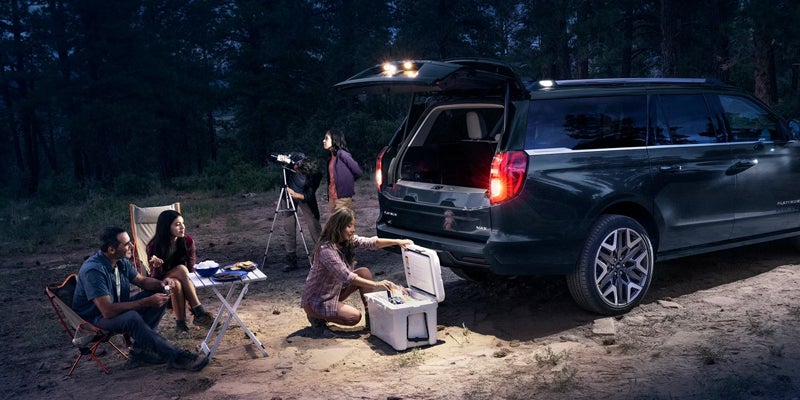
For larger families or those who simply want more room, the Ford Expedition is a standout option. It's a full-size SUV that delivers serious passenger and cargo capacity without sacrificing comfort. Available seating configurations allow you to customize the interior to fit your family's needs. The Expedition also supports available BlueCruise hands-free highway driving technology, which can make long road trips noticeably less tiring.

Ford F-150 - The Family Truck That Does It All


Not every family needs an SUV. Many families in New Bern, NC, rely on a truck for hauling, towing, and weekend projects. The Ford F-150 ranked No. 1 among full-size trucks for new-vehicle quality, and it's easy to see why. With spacious crew cab configurations, a comfortable interior, and a strong suite of technology features, the F-150 works just as well for carpool duty as it does for a job site. It's one of the most versatile Ford family vehicles available today.


Ford Edge - A Comfortable Mid-Size Option


If you prefer something a bit smaller than the Explorer or Expedition, the Ford Edge is worth a close look. It seats up to five passengers and offers a well-appointed interior with available technology features that make driving more intuitive and connected. The Edge strikes a nice balance between maneuverability and interior space, making it a practical pick for families who spend a lot of time in town.

Technology and Ownership Perks Worth Knowing


Across the Ford lineup, you'll find available Ford Co-Pilot360 Technology, in-vehicle Wi-Fi hotspot capability, and connected navigation that make daily family life easier. Ford also offers convenient ownership benefits like Ford Mobile Service, which allows technicians to handle many routine services at your home or workplace. Ford Pickup and Delivery means your vehicle can be picked up, serviced, and returned to you. And joining Ford Rewards through the Ford app lets you earn points on service, parts, and accessories.

Visit Cella Ford to Find Your Family's Next Vehicle


The best Ford models for families in New Bern, NC are ready to explore at Cella Ford. Whether you're drawn to the space of the Expedition, the versatility of the F-150, or the well-rounded capability of the Explorer, there's a Ford built for your family's lifestyle. Stop by our store or visit online to build and price your vehicle, search current inventory, and take the next step toward your family's perfect ride.
Posted in:

Related Posts

Ford Service Technicians Diagnosing Problem

Why Does My Ford Say "Pre-Collision Assist Not Available"?

If your Ford displays a "Pre-Collision Assist Not Available" warning, the system may be having trouble detecting the road ahead or may have identified a malfunction. Common causes include a dirty windshield camera, blocked radar sensor, heavy rain, sensor misalignment, or an electrical problem. Sometimes the warning disappears once visibility improves, but a persistent message may require professional diagnostics. Whether you drive a Ford F-150, Explorer, Expedition, Super Duty, or another equipped model, here's what drivers around New Bern, Havelock, Jacksonville, and Eastern North Carolina should know. Schedule Ford Service Explore Ford Service What Does "Pre-Collision Assist Not Available" Mean? Ford Pre-Collision Assist is a driver assistance feature designed to help identify potential collisions with vehicles and, under certain conditions, pedestrians or cyclists ahead. Depending on the vehicle's equipment, the system uses a forward-facing camera and radar sensor to monitor the road. When the system identifies a potential collision, it can provide visual and audible warnings. Pre-Collision Assist with Automatic Emergency Braking may also apply the brakes to help avoid or reduce the severity of certain collisions. If the vehicle cannot reliably use the required sensors, it may display a warning indicating that Pre-Collision Assist is unavailable. It's important to distinguish between two types of messages: Pre-Collision Assist Not Available Sensor Blocked: Generally indicates that a camera or sensor cannot properly detect the road ahead because of an obstruction or environmental conditions. Pre-Collision Assist Not Available: Depending on the model and accompanying messages, this can indicate a system malfunction requiring professional inspection. Because warning messages and system operation vary by model year, always follow the guidance in your Ford owner's manual. 1. A Dirty Windshield Camera May Be Blocking the System One of the most common reasons Ford Pre-Collision Assist becomes unavailable is an obstructed forward-facing camera. On many Ford models, this camera is mounted near the rearview mirror and looks through the upper portion of the windshield. It helps identify vehicles, lane markings, and other objects ahead. If the glass in front of the camera becomes covered with dirt, road grime, insects, or another obstruction, the system may be unable to process the images it needs. To check for this problem, safely park your Ford and inspect the windshield area near the camera. Clean the exterior glass using an appropriate automotive glass cleaner and a soft cloth. Avoid removing camera covers, adjusting the camera, or applying cleaning products directly to its internal components. Ford notes that the warning may take several minutes to disappear after the obstruction has been removed. 2. Your Ford's Front Radar Sensor Could Be Blocked Some Ford vehicles also use a forward-facing radar sensor to detect vehicles and measure distances ahead. Depending on the model and equipment, the radar may be located behind a section of the front grille or bumper fascia. Potential obstructions include: Mud or dirt buildup on the front grille. Heavy road spray or accumulated debris. Ice or snow covering the sensor area. Improperly positioned accessories or equipment. Damage to the grille or front bumper. For drivers who frequently travel on rural roads, construction routes, or unpaved surfaces around Craven County, mud and debris can sometimes accumulate around the front of the vehicle. If your Ford has a radar sensor, consult the owner's manual to identify its location. Carefully clean the exterior surface covering the sensor without attempting to remove or reposition the equipment. If the warning continues despite a clean sensor area, professional diagnostics may be necessary. 3. Heavy Rain and Road Spray Can Temporarily Disable Pre-Collision Assist Pre-Collision Assist depends on its cameras and sensors being able to detect surrounding traffic accurately. Heavy precipitation can interfere with that process. Ford identifies several environmental conditions that can temporarily reduce system performance, including: Heavy rain. Dense fog. Significant road spray. Snow or ice accumulation. Water or debris interfering with radar signals. This is particularly relevant for drivers traveling throughout Eastern North Carolina, where heavy rain and sudden downpours can reduce roadway visibility. For example, if your Ford displays a sensor warning while driving along US-70 during a heavy rainstorm, the system may be temporarily unable to detect traffic reliably. When the weather improves and the sensors can operate normally again, Pre-Collision Assist may become available without requiring repairs. Continue driving attentively, maintain additional following distance when conditions warrant, and never rely on automatic emergency braking as a substitute for controlling your vehicle. 4. Windshield Damage or Replacement May Affect the Camera Because the forward-facing camera looks through the windshield, damage or changes to the glass can affect Pre-Collision Assist operation. Cracks, chips, or other defects within the camera's field of view may interfere with the images the system receives. In some cases, windshield replacement or repairs involving the camera assembly may also require inspection or calibration. If your Pre-Collision Assist warning started appearing after a windshield replacement, mention that information when scheduling service. Camera alignment is important because the system must accurately identify the location of vehicles and other objects relative to your Ford. Do not attempt to adjust the camera yourself. Depending on the vehicle and repair performed, specialized equipment and manufacturer procedures may be required. 5. Front Bumper Damage Could Affect Radar Alignment Even relatively minor front-end damage can sometimes affect the alignment of driver assistance sensors. For vehicles equipped with a front radar sensor, an impact involving the grille or bumper may change the direction in which the radar operates. This can cause the system to miss certain objects, identify objects incorrectly, or display a warning. Potential situations include: A minor parking lot collision. Damage from road debris. Front bumper or grille replacement. Improperly installed front-end accessories. Repairs involving radar mounting components. If your Ford began displaying a Pre-Collision Assist warning after front-end damage or repairs, have the sensor alignment inspected. Simply clearing the warning message doesn't correct a sensor that is physically misaligned. 6. An Electrical or Sensor Malfunction May Require Diagnostics Not every Pre-Collision Assist warning is caused by dirt or weather. In some cases, the system may have an electrical, communication, or component problem. Possible causes include a malfunctioning camera, radar sensor, wiring connection, or an electronic control component involved in the driver assistance system. Electrical faults can sometimes produce additional warning messages or cause multiple driver assistance features to become unavailable. For example, if your Ford displays Pre-Collision Assist warnings along with other camera-related or cruise control messages, the symptoms may be connected. A technician can review stored diagnostic information, inspect the relevant components, and determine whether repairs or calibration procedures are needed. What Should You Do When Pre-Collision Assist Becomes Unavailable? If your Ford displays a Pre-Collision Assist warning, start by determining whether the problem may involve a temporary obstruction or a persistent system issue. Continue driving manually: Maintain control of your vehicle and don't rely on the affected driver assistance feature. Read the complete message: Note whether the dashboard specifically mentions a blocked sensor or indicates a general system malfunction. Consider the weather: Heavy rain, fog, or road spray may temporarily interfere with camera or radar operation. Inspect the windshield: When safely parked, check the exterior glass in front of the camera for dirt or obstructions. Check the front sensor area: If equipped, inspect the appropriate grille or bumper area for mud, debris, or other obstructions. Allow the system to reassess: After an obstruction is removed, Ford notes that recognition of normal conditions may take several minutes. Schedule service if necessary: If the warning persists, repeatedly returns, or indicates a malfunction, arrange professional diagnostics. If the warning appeared after a collision, windshield replacement, or front-end repair, professional inspection is particularly important. Can You Still Drive Your Ford With Pre-Collision Assist Unavailable? In many cases, a Ford can still be driven when Pre-Collision Assist is temporarily unavailable, provided the vehicle otherwise operates normally and no additional warnings indicate a more serious problem. However, you should assume that the affected collision warning and automatic braking functions may not operate as intended. Maintain a safe following distance, pay close attention to traffic, and be prepared to brake without assistance. If the warning appears alongside brake system warnings, unusual braking behavior, or another condition affecting vehicle control, stop when safe and arrange appropriate assistance. Pre-Collision Assist is a supplemental driver assistance feature. It cannot prevent every accident and is not a replacement for attentive driving. Why Does My Ford Pre-Collision Assist Warning Come On and Then Disappear? An intermittent warning may indicate that operating conditions are changing. For example, a camera might temporarily lose visibility during heavy rain, or road spray may interfere with a radar sensor before the obstruction clears. Ford also notes that certain conditions involving excessive camera temperature or temporary sensor alignment concerns can cause the system to become unavailable until acceptable operating conditions return. If the warning disappears after weather conditions improve, that may be consistent with normal system behavior. However, if the message repeatedly appears during clear weather on unobstructed roads, further inspection may be appropriate. Keep track of when the warning occurs, including the weather, driving conditions, and whether any recent repairs were performed. Does Pre-Collision Assist Work the Same Way on Every Ford? No. Pre-Collision Assist capabilities and sensor configurations vary between Ford models and model years. Depending on the vehicle, available functions may include: Forward Collision Warning: Provides alerts when a potential collision is detected. Automatic Emergency Braking: Can apply braking assistance in certain situations to help avoid or reduce a collision. Pedestrian Detection: Identifies certain pedestrians ahead when operating conditions allow. Distance Alert: Can provide information about the distance to a detected vehicle ahead. Evasive Steering Assist: On equipped models, can provide additional steering assistance when the driver attempts to avoid a detected vehicle. For example, a Ford Explorer and an F-250 Super Duty may use different sensor configurations or offer different driver assistance functions. Always consult the owner's manual for your specific Ford to understand its equipment, warning messages, and operating limitations. Ford Pre-Collision Assist Frequently Asked Questions Will cleaning my Ford's windshield fix Pre-Collision Assist? It may help if dirt or another obstruction is blocking the forward-facing camera. However, cleaning won't resolve damaged sensors, alignment issues, or electrical malfunctions. Why does Pre-Collision Assist stop working in heavy rain? Heavy rain and road spray can interfere with the camera's visibility or the radar sensor's ability to detect objects. The system may temporarily disable certain functions until conditions improve. Can a windshield replacement cause Pre-Collision Assist problems? Yes. Windshield damage, improper installation, or camera alignment problems may interfere with the system. Some windshield replacements require camera calibration according to Ford's procedures. Does a blocked sensor warning mean I need a new sensor? Not necessarily. A blocked sensor warning often indicates a temporary obstruction. However, persistent warnings after cleaning or improving conditions may require diagnosis. Can Pre-Collision Assist reset itself? Yes. When a temporary obstruction or environmental condition clears, the system may restore normal operation automatically. A persistent malfunction requires investigation rather than simply waiting for the warning to disappear. Is Pre-Collision Assist the same as adaptive cruise control? No. Pre-Collision Assist primarily helps identify and respond to certain potential collisions. Adaptive Cruise Control is designed to maintain a selected speed and following gap from detected traffic. Although some vehicles use overlapping sensors, the systems perform different functions. Schedule Ford Pre-Collision Assist Diagnostics at Cella Ford in New Bern, NC If your Ford continues displaying a "Pre-Collision Assist Not Available" message after checking for obstructions and allowing temporary weather conditions to improve, a professional inspection can help identify the cause. At Cella Ford, our Ford service team can help diagnose driver assistance warnings, camera and radar concerns, and electrical problems affecting your vehicle. Whether you're driving a Ford F-150, Explorer, Expedition, Super Duty, Bronco, or another equipped model, our team can evaluate your concerns and recommend the appropriate next steps. We welcome Ford owners from New Bern, Havelock, Jacksonville, Morehead City, and surrounding Eastern North Carolina communities. Visit our Ford service department at 3210 M.L. King Boulevard in New Bern, NC, or schedule an appointment online to have your vehicle inspected. Schedule Ford Service Contact Cella Ford

2027 Ford Expedition Liftgate

2027 Ford Expedition: What Can You Actually Do With the Ford Split Gate?

The 2027 Ford Expedition features a power Ford Split Gate that opens in two sections, combining the convenience of a traditional SUV liftgate with the functionality of a pickup truck tailgate. The upper section lifts overhead, while the lower section folds down to create a loading platform capable of supporting up to 500 pounds when properly distributed. With the available Cargo Tailgate Manager, the rear of the Expedition can even become a seating area, work surface, or convenient place to organize gear. For families around New Bern, Havelock, Morehead City, and Eastern North Carolina, here's how this distinctive feature can make everyday errands and outdoor adventures easier. Shop Ford Expedition Inventory Schedule an Expedition Test Drive What Is the Ford Split Gate on the 2027 Expedition? The Ford Split Gate is a two-piece rear opening system designed to make the Expedition's cargo area more versatile. Instead of using one large liftgate that swings upward, the system divides the rear opening into two powered sections. The upper liftgate opens overhead, providing access to the cargo compartment. The lower tailgate folds downward, creating a horizontal platform similar to the tailgate on a pickup truck. This design gives drivers different ways to access and use the cargo area. You can open the upper section while keeping the lower tailgate closed to help prevent smaller items from falling out, or lower the tailgate when you need additional loading space. The power Ford Split Gate is standard across the 2027 Expedition lineup, including the Expedition MAX. The available Open On Approach feature adds another level of convenience on properly equipped models. How Much Weight Can the Ford Expedition Split Gate Hold? The lower section of the 2027 Ford Expedition Split Gate can support up to 500 pounds when used according to Ford's loading guidelines. This makes it useful for more than simply accessing the cargo area. When the vehicle is safely parked, the lowered tailgate can serve as a temporary platform for loading equipment, organizing supplies, or providing a place to sit. Some practical uses include: Loading camping equipment: Set down coolers, storage containers, and other gear while organizing the cargo area. Outdoor recreation: Use the lowered tailgate as a place to sit while removing hiking boots or preparing equipment. Family activities: Create a convenient spot for sorting sports bags, folding chairs, or picnic supplies. Home improvement projects: Use the tailgate as a temporary loading surface when transporting tools and project materials. Beach trips: Organize towels, bags, and other supplies before returning home from the Crystal Coast. The 500-pound rating applies to the lower tailgate, not every accessory attached to it. Cargo weight and distribution must remain within Ford's specified limits, and the vehicle should be parked securely before using the tailgate as a seat or loading platform. What Is the Expedition Cargo Tailgate Manager? The available Cargo Tailgate Manager is an accessory designed to expand what drivers can do with the Ford Split Gate. It provides three primary functions: 1. A Backrest for Tailgate Seating When the lower tailgate is open, the Cargo Tailgate Manager can be positioned as a backrest. This transforms the rear of the Expedition into a convenient place to sit while enjoying an outdoor event or taking a break from an activity. For families spending an afternoon at a park or preparing for a day on the water near New Bern, this feature creates a comfortable place to relax without immediately unpacking additional chairs. 2. A Shelf for Organizing Equipment The Cargo Tailgate Manager can also function as a shelf, providing an elevated surface for organizing smaller belongings. This can be useful when sorting camping supplies, organizing children's sports equipment, or keeping frequently used items separated from the rest of the cargo area. 3. A Table for Outdoor Activities Another configuration allows the Cargo Tailgate Manager to serve as a small table. It can provide a convenient surface for snacks, beverages, maps, or other lightweight items while the vehicle is parked. Important: Ford rates the Cargo Tailgate Manager's shelf and table surface for up to 35 pounds. This is separate from the lower Split Gate's 500-pound capacity. Always follow the manufacturer's instructions for proper setup and use. How Does Ford Expedition Open On Approach Work? Available Open On Approach technology allows the 2027 Expedition to open its Split Gate automatically when it detects an authorized key fob near the rear of the vehicle. Instead of searching for a button while carrying groceries or equipment, drivers can approach the rear of the SUV and allow the system to recognize their presence. According to Ford's 2027 Expedition owner's manual, the feature operates when certain conditions are met, including: The vehicle is parked and switched off. The doors and Split Gate are closed. The power Split Gate and Open On Approach features are enabled. An authorized key fob remains within approximately three feet of the designated detection area for about four seconds. The vehicle meets the system's additional operating requirements. Before the gate begins opening, the vehicle provides visual and audible alerts. Open On Approach is particularly helpful when carrying shopping bags, coolers, or other items that make it difficult to reach the liftgate controls. The feature is optional, so buyers should confirm that it's included on the specific 2027 Expedition they're considering. Can You Open Just the Upper Liftgate? Yes. The Ford Split Gate allows drivers to access the cargo area using the upper liftgate without necessarily lowering the bottom tailgate. This can be useful when transporting smaller items that might shift toward the rear during travel. For example, imagine returning from grocery shopping with several bags in the cargo compartment. Keeping the lower tailgate closed creates a barrier that can help prevent loose items from immediately falling out when the upper liftgate opens. When you need to load larger equipment or want to use the tailgate as a platform, you can lower the bottom section using the appropriate controls. Exact operation depends on the vehicle's equipment and settings. Ford provides instructions for opening and closing the upper liftgate and lower tailgate in the owner's manual. Is the Ford Split Gate Useful for Families? The Split Gate can be particularly convenient for families who frequently switch between transporting passengers and carrying equipment. Consider a typical weekend with several activities planned. You might use the Expedition to transport family members to a sporting event, stop for groceries, and then pack outdoor equipment for an afternoon away from home. The Split Gate makes it easier to manage these different activities without requiring a separate loading surface or additional outdoor furniture. For parents, the lowered tailgate can provide a convenient place to organize sports gear, change footwear, or sort supplies before loading them into the SUV. Families visiting parks and outdoor destinations around Craven County may also appreciate the available Cargo Tailgate Manager when setting up for a picnic or preparing equipment for recreational activities. Always supervise children around the powered gate and ensure everyone is clear of its path before opening or closing either section. How Does the Split Gate Work With the Expedition MAX? The 2027 Ford Expedition MAX offers the same fundamental Split Gate functionality as the standard-wheelbase Expedition, but with additional interior cargo length. The standard 2027 Expedition provides up to 108.5 cubic feet of cargo volume when the rear seats are folded. The Expedition MAX increases maximum cargo volume to 123.1 cubic feet. Behind the third row, the Expedition provides 22.9 cubic feet, while the Expedition MAX offers 37.4 cubic feet. For families who frequently travel with all three rows occupied, the additional cargo room in the Expedition MAX can be particularly useful. The Split Gate complements that larger cargo area by creating a convenient way to load and organize belongings. However, choosing between the Expedition and Expedition MAX should depend on your passenger needs, parking space, and the size of the items you regularly transport. Cella Ford can help shoppers compare both configurations and explore available 2027 Expedition models. Can You Use the Ford Split Gate at the Beach or While Camping? Yes. The Expedition Split Gate can be useful for outdoor activities when the vehicle is safely parked on suitable ground. For drivers exploring the Crystal Coast or enjoying outdoor destinations throughout Eastern North Carolina, the feature provides convenient access to the cargo compartment and a practical surface for organizing supplies. Some potential uses include: Preparing fishing equipment before heading toward the water. Organizing beach chairs, coolers, and towels. Sorting camping supplies before setting up a campsite. Providing a seating surface after hiking or other recreational activities. Keeping smaller items organized with the available Cargo Tailgate Manager. Owners should avoid exceeding the tailgate's weight capacity, placing excessive weight on the accessory table, or allowing equipment to interfere with the gate's powered mechanisms. It's also important to keep sand, dirt, and debris away from moving components and electrical connections. Does the 2027 Ford Expedition Have Other Cargo Features? In addition to the Split Gate, the 2027 Expedition offers several features designed to improve cargo flexibility and everyday convenience. Depending on trim and equipment, these can include: PowerFold Third-Row Seating: Allows drivers to adjust the rear seating configuration when additional cargo room is needed. Available Flex Powered Console: Provides adjustable storage and access within the passenger compartment. Available 360-Degree Zone Lighting: Helps illuminate areas around the vehicle when loading equipment after dark. Available Cargo Tailgate Manager: Adds seating support, shelf functionality, and a small work surface. Expedition MAX Configuration: Provides additional cargo length and volume for larger families and equipment. These features can work together to make the Expedition more adaptable for everyday transportation and outdoor activities. 2027 Ford Expedition Split Gate Frequently Asked Questions Is the Ford Split Gate standard on the 2027 Expedition? Yes. The power Ford Split Gate is standard across the 2027 Ford Expedition lineup. However, features such as Open On Approach and the Cargo Tailgate Manager are available equipment and may not be included on every vehicle. Can you sit on the Ford Expedition tailgate? Yes. The lowered tailgate can function as a seating platform when the vehicle is safely parked. Ford rates the lower Split Gate for up to 500 pounds, subject to proper weight distribution and usage requirements. Does the Ford Expedition Cargo Tailgate Manager come standard? No. The Cargo Tailgate Manager is an available feature. Buyers should verify whether it is included with the specific vehicle or available as an accessory. Does the Expedition MAX have the Split Gate? Yes. Both the standard-wheelbase 2027 Expedition and the Expedition MAX feature the power Ford Split Gate. Can you drive with the Ford Expedition Split Gate open? No. Ford instructs owners not to drive with the Split Gate open because doing so can damage the gate and its components and create additional safety risks. Always close and secure both sections before driving. Explore the 2027 Ford Expedition at Cella Ford in New Bern, NC The 2027 Ford Expedition's Split Gate offers a different approach to cargo access, combining a powered upper liftgate with a lower tailgate that can function as a loading platform or seating area. With available features such as Open On Approach and the Cargo Tailgate Manager, it offers additional convenience for family travel, errands, and outdoor recreation. At Cella Ford in New Bern, North Carolina, our team can help you explore the 2027 Expedition lineup, compare standard and MAX models, and demonstrate available cargo features. We welcome Ford shoppers from New Bern, Havelock, Morehead City, Jacksonville, and surrounding Eastern North Carolina communities. Browse our new Ford Expedition inventory to explore available 2027 models, or contact Cella Ford to arrange a closer look at the Split Gate. View Ford Expedition Inventory Schedule a Test Drive

Ford Steering Wheel Shaking

Why Does My Ford Steering Wheel Shake at Highway Speeds? Common Tire, Wheel Balance, Alignment, and Suspension Problems Explained

If your Ford steering wheel is shaking at highway speeds, the problem may be related to your tires, wheels, alignment, or steering and suspension components. One of the most common causes is an unbalanced tire and wheel assembly, which can create noticeable vibration around 55 to 70 mph. However, uneven tire wear, bent wheels, damaged tires, and worn suspension parts can produce similar symptoms. Identifying when the shaking occurs is an important first step toward finding the cause. Schedule a Steering & Tire Inspection Explore Ford Tire Services For drivers around New Bern, Trent Woods, River Bend, and Havelock, steering wheel vibration can become particularly noticeable during highway travel. Whether you're driving a Ford F-150, Explorer, Escape, Bronco, or another Ford model, persistent shaking should not be ignored. Understanding the differences between wheel balancing, wheel alignment, and suspension problems can help you determine when professional service is necessary. Quick Answer: Why Does My Ford Steering Wheel Shake at 60 MPH? Steering wheel vibration around 55 to 70 mph often points toward a tire or wheel-related issue, particularly an unbalanced wheel assembly. The shaking may become stronger as vehicle speed increases or appear within a particular speed range. Other possible causes include bent wheels, uneven tire wear, damaged tires, or worn steering and suspension components. If the vibration happens primarily when pressing the brake pedal, the braking system may need attention instead. What should you do? Have persistent vibration inspected promptly. If the shaking becomes severe, steering feels unstable, or you suspect tire damage, stop driving when it is safe and arrange professional assistance. Why Does My Ford Steering Wheel Shake Only at Highway Speeds? A vehicle's tires and wheels rotate faster as driving speed increases. When a tire or wheel assembly is out of balance, uneven forces develop as it rotates. At lower speeds, those forces may be too small to notice. As speed increases, they can create vibration that travels through the suspension and steering system. This explains why a Ford may feel smooth on neighborhood streets but begin shaking during highway driving. Some drivers notice the vibration around 55 mph, while others experience it closer to 65 or 70 mph. The exact speed varies depending on the vehicle, tires, wheels, and underlying problem. A vibration that appears within a specific speed range is a useful diagnostic clue, but it does not automatically prove that wheel balancing is the solution. Drivers traveling along U.S. Highway 70 near New Bern or U.S. Highway 17 may notice these symptoms during normal highway travel. Rather than increasing speed to test the vibration, arrange an inspection to determine what's causing it. Common Causes of Ford Steering Wheel Vibration Several different tire, wheel, and suspension issues can cause shaking at highway speeds. The symptoms often overlap, which is why a professional inspection is useful before replacing parts. 1. Unbalanced Tires or Wheels Wheel imbalance is a common cause of steering wheel vibration during highway driving. Even a relatively small imbalance can become noticeable as the wheel rotates faster. Tire and wheel assemblies may become unbalanced because of uneven tire wear, lost wheel weights, tire replacement, or other changes to the assembly. Common signs include: Steering wheel vibration that becomes noticeable at highway speeds. Shaking that occurs within a particular speed range. Vibration that changes as vehicle speed changes. A shaking sensation in the steering wheel, seat, or floor. During wheel balancing, a technician uses specialized equipment to identify uneven weight distribution. Balance weights are then positioned to help the assembly rotate more smoothly. However, balancing will not correct every vibration. A damaged tire, bent wheel, or worn suspension component may require a different repair. 2. Uneven or Irregular Tire Wear Tires that wear unevenly can also contribute to steering wheel vibration. Irregular tread patterns change how the tire contacts the road. One example is tire cupping, sometimes called scalloped wear. This occurs when portions of the tread develop unevenly worn areas around the tire. Tire cupping may be associated with wheel imbalance, worn suspension components, alignment problems, or other conditions. Drivers may notice: Uneven or scalloped tire tread. Increased tire noise at certain speeds. Steering wheel or vehicle vibration. Changes in ride comfort or handling. Simply rotating the tires may not resolve the underlying cause of uneven wear. The tires and related components should be inspected before deciding which service is appropriate. 3. Bent Wheels or Damaged Tires Potholes, road debris, curbs, and other impacts can damage tires or wheels. A bent wheel may no longer rotate evenly, potentially creating a vibration that becomes more noticeable at speed. Tire damage can also cause shaking. In some cases, internal tire damage may be present even when the outside of the tire appears relatively normal. Warning signs can include: Vibration that begins after hitting a pothole or road hazard. A visible bend or deformation in a wheel. Bulges, bubbles, or unusual swelling on a tire sidewall. A tire that repeatedly loses air pressure. Sudden changes in steering feel or ride quality. If you notice a tire bulge, severe damage, or sudden instability, do not continue highway driving. A damaged tire can fail unexpectedly and should be evaluated before the vehicle is driven again. 4. Wheel Alignment Problems Wheel alignment refers to the angles at which your vehicle's wheels meet the road. These angles affect steering behavior, vehicle tracking, and tire wear. Alignment can change because of road impacts, worn suspension components, or other mechanical issues. Common alignment-related symptoms include: The vehicle pulls or drifts to one side on a level road. The steering wheel appears off-center while traveling straight. Tires develop excessive wear along one edge. Steering response feels different than normal. Misalignment may contribute to vibration, especially when it has caused irregular tire wear. However, alignment is not usually the first explanation for a speed-specific steering wheel shake. If your primary symptom is vibration at 60 mph without pulling or uneven tire wear, wheel balance and tire condition are important starting points for inspection. 5. Worn Steering or Suspension Components Your Ford's steering and suspension systems help maintain wheel control, ride stability, and consistent tire contact with the road. Over time, components such as tie rods, ball joints, bushings, and shock absorbers may develop wear. Depending on the vehicle, worn components can contribute to shaking, unusual noises, imprecise steering, or uneven tire wear. Some Ford trucks also use steering stabilizer components that can affect steering vibration when worn or damaged. Suspension-related concerns should not be ignored, especially when vibration is accompanied by steering looseness, clunking noises, or instability. A technician can inspect the affected components before recommending repairs or performing an alignment. Wheel Balancing vs. Wheel Alignment: What's the Difference? Many drivers use the terms wheel balancing and wheel alignment interchangeably, but they are two different services. Understanding the distinction can help you explain your symptoms when scheduling a service appointment. Feature Wheel Balancing Wheel Alignment What It Corrects Uneven weight distribution in a tire and wheel assembly. Wheel angles controlled through suspension and steering adjustments. Common Symptoms Vibration or shaking, particularly at highway speeds. Vehicle pulling, off-center steering, or uneven tire wear. How It's Performed A balancing machine identifies imbalance, and weights are added or adjusted. A technician measures and adjusts applicable suspension alignment angles. Primary Goal Help tires and wheels rotate smoothly. Help wheels track correctly and support even tire wear. Will It Fix Highway Vibration? May correct vibration caused by imbalance. May help if misalignment or resulting tire wear contributes to the problem. If your steering wheel shakes primarily at highway speeds, a technician may begin by checking tire condition and wheel balance. If your Ford pulls to one side, has uneven tire wear, or has an off-center steering wheel, an alignment inspection may be especially useful. Some vehicles have more than one issue, so balancing and alignment may both be appropriate after a complete inspection. Need Ford Tire or Wheel Alignment Service in New Bern? If your Ford is shaking at highway speeds, Cella Ford's service team can inspect tire condition, check for alignment concerns, and help determine the appropriate next step. Schedule Ford Service Shop Ford Tires Why Does My Ford Steering Wheel Shake Only When Braking? If your steering wheel feels smooth during normal highway driving but begins shaking when you press the brake pedal, the cause may be different from ordinary tire imbalance. Brake rotor thickness variations or uneven friction surfaces can create pulsation as the brakes are applied. This may be felt through the brake pedal, steering wheel, or vehicle. Other potential causes include brake caliper problems or worn suspension components. The timing of the vibration is an important diagnostic clue: Shaking while cruising: Tire balance, tire condition, and wheel problems are common considerations. Shaking mainly when braking: The braking system should be inspected. Shaking when accelerating: Drivetrain or other vehicle components may require evaluation. Shaking with loose steering: Steering or suspension wear may be involved. These patterns can help a technician narrow down possible causes, but they are not definitive diagnoses. If vibration occurs during braking, Cella Ford's Ford Service Department can inspect the braking system and recommend appropriate service. What If the Steering Wheel Shakes After New Tires Are Installed? If steering wheel vibration begins shortly after tire replacement, it's worth having the tire and wheel assemblies checked again. New tires generally require proper balancing when mounted on wheels. If an assembly is not balanced correctly, vibration may become noticeable once the vehicle reaches highway speeds. Other possible issues include a tire or wheel that is not seated or installed correctly, an existing bent wheel, or a tire-related irregularity. A technician can check the installation, balance, and tire condition to determine what needs attention. If shaking begins immediately after wheel or tire service and feels severe, do not continue driving until the installation has been checked. Why Highway Driving Around New Bern Can Make Tire Problems More Noticeable Daily driving around Eastern North Carolina can involve a mix of neighborhood roads, highway commuting, and longer regional trips. Tire and wheel problems may become especially noticeable as drivers transition from lower-speed roads onto faster highways. Driving on U.S. Highway 70 Near New Bern and Havelock Drivers commuting between New Bern and Havelock along U.S. Highway 70 may notice steering vibration during sustained highway travel. A vehicle that feels normal during slower local driving may begin vibrating when rotating tire and wheel forces increase at highway speeds. Rather than continuing to drive with persistent shaking, have the vehicle inspected before the condition becomes worse. Traveling Along U.S. Highway 17 U.S. Highway 17 is another important route for drivers traveling through and beyond the New Bern area. Drivers may notice speed-related vibration during longer stretches of highway travel, especially when steering wheel shaking is associated with an unbalanced wheel assembly. If the steering feels unstable or the vibration increases substantially, slow down safely and arrange assistance as needed. Everyday Driving Around Trent Woods and River Bend For drivers living in Trent Woods or River Bend, everyday trips may involve a combination of local streets and higher-speed roads. This can make it easier to notice differences in how the vehicle behaves at different speeds. Ford owners should pay attention to any new vibration, pulling, or changes in steering response, regardless of the type of road. When Is Steering Wheel Shaking a Serious Problem? Mild vibration does not always indicate an immediate mechanical emergency. However, persistent shaking means something may need attention, and some causes can affect vehicle safety. Warning Signs That Require Prompt Attention Stop driving when it is safe and arrange assistance if you experience: Sudden or severe shaking: The steering wheel begins vibrating violently or the vehicle becomes difficult to control. Visible tire damage: A tire has a bulge, significant cut, or other signs of structural damage. Steering instability: The vehicle wanders, feels unusually loose, or responds unpredictably to steering input. Unusual mechanical noises: Loud clunking, grinding, or repeated knocking accompanies the vibration. Braking problems: Shaking occurs with reduced stopping ability, abnormal pedal feel, or significant pulling. Sudden changes after an impact: Steering or handling changes immediately after hitting a pothole, curb, or road hazard. A vehicle with severe steering instability or suspected tire failure should not be driven to a service appointment. Arrange roadside assistance or towing instead. What Should You Do If Your Ford Steering Wheel Starts Shaking? If you notice a new vibration, avoid trying to diagnose the problem by deliberately accelerating to higher speeds. Instead, focus on observing the symptoms and having the vehicle inspected. Reduce speed safely. If shaking begins during highway driving, avoid sudden steering or braking inputs and move to a safe location if necessary. Notice when the vibration occurs. Does it happen during steady cruising, braking, acceleration, or turning? Check for obvious tire problems. Once safely parked, look for visible damage or unusually low tire pressure without crawling underneath the vehicle. Review tire pressure. If safe and appropriate, check tire pressure against the vehicle's recommended cold inflation values on the door-jamb label or in the owner's manual. Schedule a professional inspection. A technician can evaluate tire and wheel condition, wheel balance, alignment, and steering or suspension components. Do not assume the solution is simply adding air, replacing tires, or scheduling an alignment. The correct service depends on what is actually causing the vibration. What Happens During a Professional Steering and Tire Inspection? When a Ford develops steering wheel vibration, a qualified technician can evaluate several systems to determine the underlying cause. Depending on the symptoms, an inspection may include: Tire condition: Checking tread wear, inflation pressure, visible damage, and unusual wear patterns. Wheel condition: Looking for bends, damage, and installation concerns. Wheel balance: Evaluating whether uneven weight distribution contributes to vibration. Wheel alignment: Measuring applicable alignment angles and checking for abnormal vehicle tracking. Steering and suspension: Inspecting components such as tie rods, ball joints, bushings, and dampers as appropriate. Brake system: Checking for concerns when vibration occurs during braking. The exact diagnostic process depends on your Ford model, the symptoms you describe, and the results of the initial inspection. At Cella Ford's Service Department, Ford-trained technicians help drivers with tire inspections, tire rotations, wheel alignment checks, and general vehicle diagnostics. If your tires need replacement, you can also use Cella Ford's online Tire Finder to explore tire options for your Ford. Frequently Asked Questions About Ford Steering Wheel Vibration Why does my Ford steering wheel shake between 55 and 70 mph? Shaking within this speed range is often associated with an unbalanced tire and wheel assembly. Other causes can include tire damage, bent wheels, uneven tread wear, and worn steering or suspension components. A professional inspection can help identify the exact cause. Can bad wheel alignment cause my steering wheel to shake? Alignment problems can contribute to vibration, particularly when they cause uneven tire wear. However, the more typical signs of misalignment include pulling to one side, an off-center steering wheel, and irregular tread wear. Wheel imbalance is another common cause of speed-related shaking. Will a wheel alignment fix highway steering wheel vibration? Only if an alignment-related condition is contributing to the vibration. An alignment does not correct an unbalanced tire, bent wheel, or damaged suspension component. The vehicle should be inspected before deciding which service is necessary. Why does my Ford steering wheel shake when I brake? Steering wheel vibration that occurs primarily during braking may be related to uneven brake rotor surfaces, rotor thickness variations, brake caliper problems, or other braking system concerns. A brake inspection can help identify the cause. Can new tires cause steering wheel vibration? Yes. If tire and wheel assemblies are not properly balanced or installed, vibration may occur after replacement. An existing bent wheel or tire irregularity may also contribute. Have the installation checked if shaking begins after new tires are fitted. Is it safe to drive with a shaking steering wheel? Persistent steering wheel vibration should be inspected promptly because the underlying cause may affect tire condition or vehicle control. If shaking is severe, steering becomes unstable, or you notice visible tire damage, stop driving safely and arrange assistance. Where can I schedule Ford wheel alignment service near New Bern, NC? Cella Ford in New Bern provides wheel alignment checks, tire inspections, and Ford maintenance services for drivers from Trent Woods, River Bend, Havelock, and surrounding communities. You can schedule Ford service online or contact the dealership to describe your steering or tire concerns. Schedule Ford Tire, Steering, and Wheel Alignment Service at Cella Ford Steering wheel shaking at highway speeds can have several causes, from an unbalanced tire to worn suspension components. While some problems may be straightforward to correct, others can affect vehicle handling and safety. Rather than guessing whether your Ford needs new tires, balancing, or alignment, a professional inspection can help identify the underlying problem. At Cella Ford, our service department helps Ford owners throughout New Bern, Trent Woods, River Bend, and Havelock with tire inspections, wheel alignment checks, and related maintenance. If your Ford has developed unusual vibration, you can schedule a service appointment to discuss the symptoms and determine the appropriate next steps. You can also review current Ford service and parts specials before your appointment to check for applicable offers. Keep Your Ford Driving Smoothly Around New Bern Experiencing steering wheel vibration, unusual tire wear, or changes in handling? Contact Cella Ford's service team to arrange an inspection and discuss the right service for your vehicle. Schedule Ford Service Call Our Service Department Cella Ford Inc. 3210 M.L. King Boulevard New Bern, NC 28562 Service: 252-671-8215 This article provides general automotive maintenance information and is not a substitute for professional vehicle inspection or diagnosis. Tire, steering, suspension, and braking systems vary by Ford model and model year. Wheel alignment and balancing address different conditions, and neither service is guaranteed to correct every vibration. If your vehicle is unsafe to operate, stop driving when safe and arrange roadside assistance or towing. Follow your Ford owner's manual and consult qualified service professionals for vehicle-specific recommendations.

 Click to Call  Today's Lowest Price  Value My Trade