

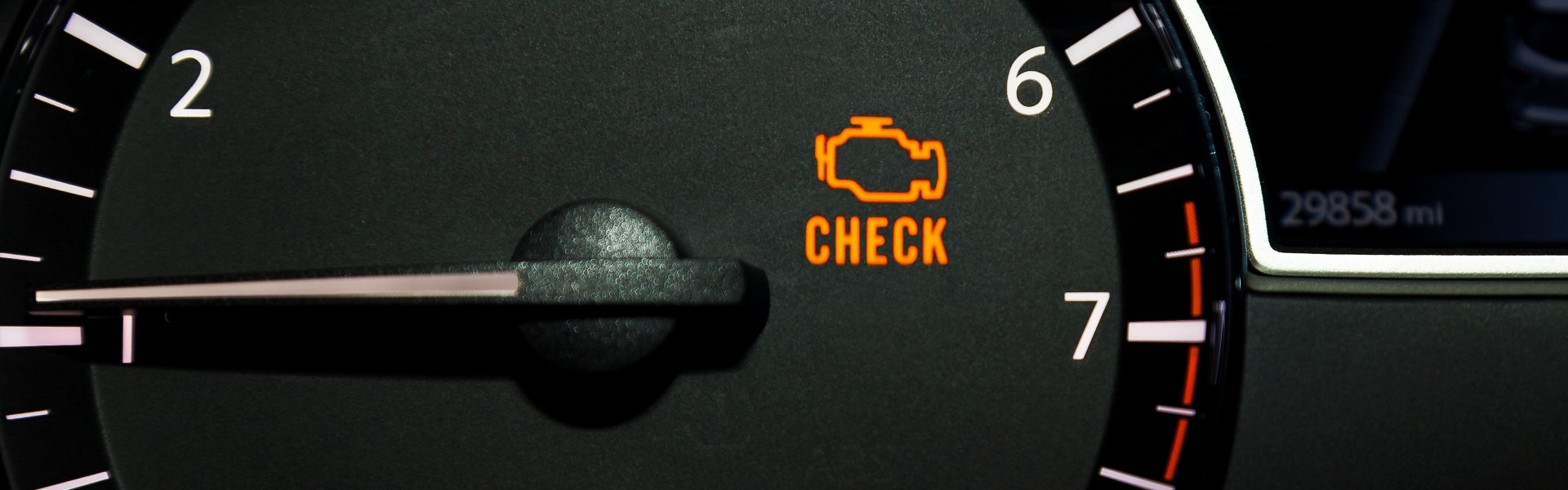
Seeing the check engine light illuminate on your dashboard can be unsettling, especially when your Ford seems to be driving exactly as it always has. While it’s tempting to assume the warning isn’t urgent, that small amber light is your vehicle’s way of telling you that something requires attention. In many cases, the problem is minor. In others, addressing it early can prevent a much more expensive repair later.
What the Check Engine Light Monitors
Your Ford’s check engine light is connected to the onboard diagnostic (OBD-II) system. Hundreds of sensors continuously monitor the engine, transmission, emissions equipment, and fuel system. When one of those systems begins operating outside its expected range, the computer stores a diagnostic trouble code and illuminates the warning light. The light doesn’t identify the failed component by itself—it simply tells you that further diagnosis is needed.
Why Your Ford Can Still Feel Perfectly Normal
Many issues develop gradually, long before they affect drivability. A deteriorating oxygen sensor, an evaporative emissions leak, or a weak purge valve may not change how your Ford accelerates, shifts, or idles. However, those faults can reduce fuel economy, increase emissions, or place additional stress on other components if left unresolved. Even though the vehicle feels normal today, the underlying issue may continue to worsen with every mile.
Some of the Most Common Causes
A professional Ford diagnostic inspection can quickly determine what’s triggering the warning light. Some of the more common causes include:
- A loose, damaged, or improperly installed fuel cap
- A failing oxygen sensor
- A malfunctioning mass air flow sensor
- Worn spark plugs or ignition coils
- Evaporative emissions system leaks
- Catalytic converter efficiency faults
- Software or sensor communication issues
Because multiple problems can produce similar symptoms—or no noticeable symptoms at all—retrieving the diagnostic codes is only the first step. Proper testing is necessary to identify the actual cause.
When You Should Stop Driving
A steady check engine light usually indicates the vehicle can be driven carefully until it can be inspected. A flashing check engine light is different. It often signals an active engine misfire that can quickly damage the catalytic converter. If the light begins flashing or the vehicle starts running roughly, reduce speed safely and have the vehicle inspected as soon as possible.
What Happens During a Ford Diagnostic Inspection
During a diagnostic appointment, a Ford-certified technician connects factory diagnostic equipment to the vehicle’s computer to retrieve fault codes and analyze live operating data. Rather than replacing parts based solely on a code, technicians perform additional testing to confirm the root cause before recommending repairs. This process helps prevent unnecessary parts replacement and ensures the correct repair is made the first time. Once the diagnosis is complete, you’ll receive an explanation of the problem, its urgency, and the recommended repair options.
Schedule Ford Diagnostic Service in New Bern, NC
If your check engine light has come on—even if your Ford seems to be driving normally—don’t ignore it. The service team at Cella Ford can perform a comprehensive diagnostic inspection, identify the source of the warning, and recommend the appropriate repair before a minor concern becomes a larger one. Schedule your Ford diagnostic service and keep your vehicle performing the way it was engineered to.

